When it comes to clean drinking water, most people use the terms filtration and purification interchangeably. They both sound like they do the same thing — remove the “bad stuff” — but in reality, they work in different ways and serve different purposes. Understanding the distinction can help you choose the best system for your home and make sure your family is drinking truly clean, safe water.
What Is Water Filtration?
Filtration is the first line of defense against impurities you can see and taste. It’s a physical process that removes particles from water by passing it through a barrier or medium — like activated carbon, ceramic, or a fine mesh.
Common filtration systems are designed to:
- Trap sediment such as sand, rust, or dirt
- Reduce chlorine and its odor
- Improve the taste and clarity of tap water
For most homes, a filtration system makes a big difference in water quality — especially if your water tastes metallic or smells like a swimming pool. However, filtration alone doesn’t necessarily eliminate microscopic organisms or dissolved chemicals.
What Is Water Purification?
Purification goes a step further. While filtration focuses on physical particles, purification removes biological and chemical contaminants that can be invisible to the eye — things like bacteria, viruses, heavy metals, and pesticides.
Common purification methods include:
- Reverse Osmosis (RO): Uses a semi-permeable membrane to remove dissolved solids and harmful chemicals.
- Ultraviolet (UV) Treatment: Destroys microorganisms by damaging their DNA.
- Distillation: Heats water into steam, then condenses it back into liquid, leaving most contaminants behind.
Purification systems are ideal for areas where water quality is uncertain, or if your home uses well water that hasn’t been tested recently.
Why Both Filtration and Purification Matter
Think of filtration and purification as teammates, not competitors.
- Filtration makes your water look, smell, and taste better.
- Purification makes it truly safe to drink.
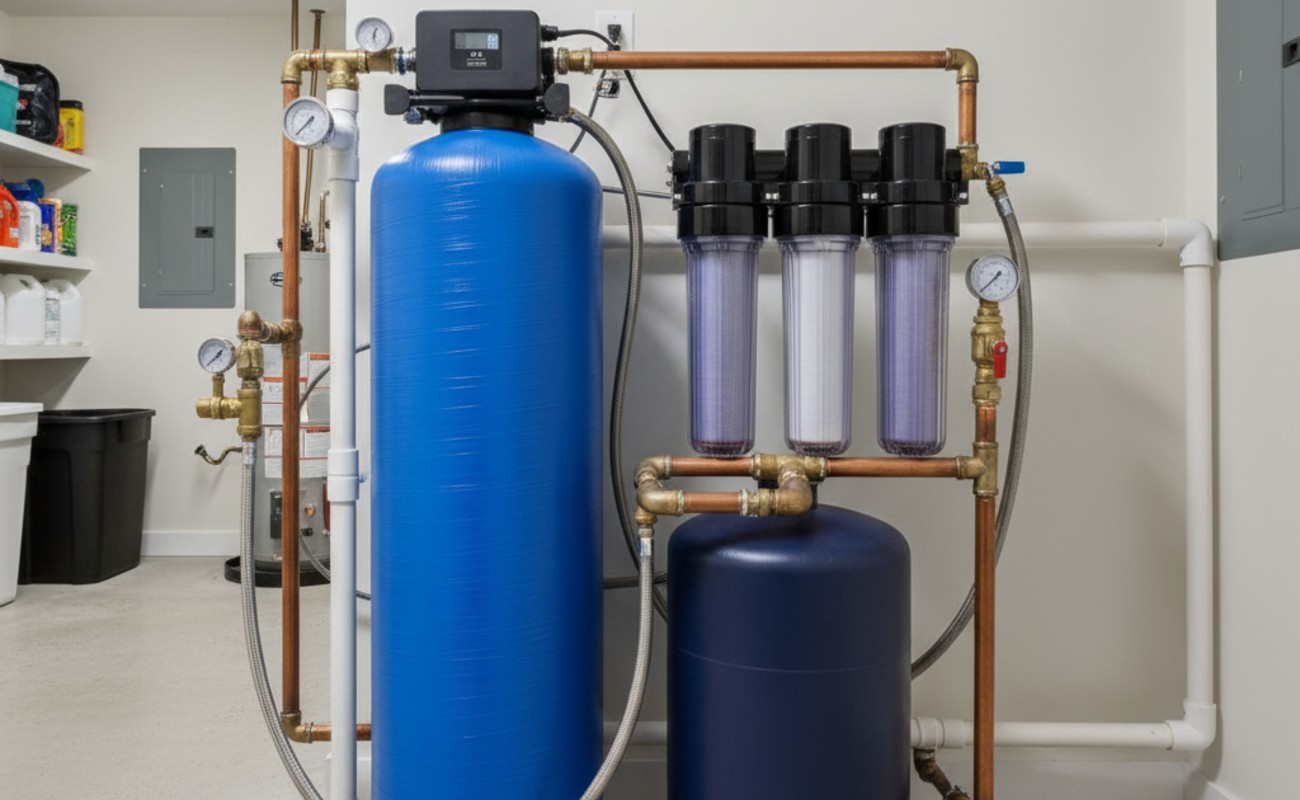
For the best protection, many modern systems combine both processes — a sediment or carbon filter first to catch particles and chlorine, followed by reverse osmosis or UV to eliminate bacteria and chemical residues.
This layered approach ensures that you’re not just improving the appearance of your water but also protecting your health in the long run.
Choosing What’s Right for You
When deciding between filtration, purification, or both, consider:
- Your local water source: City water is usually disinfected, but may contain chlorine and trace chemicals. Well water can have bacteria or minerals.
- Your household needs: If taste and odor are your main issues, filtration may suffice. For total safety and peace of mind, choose a purification system or a combo unit.
- Testing first: A simple water test can tell you exactly what’s in your tap, helping you invest in the right solution.
Final Thoughts
Clean water is one of life’s essentials — yet it’s easy to take for granted. Filtration and purification each play a vital role in ensuring that what flows from your tap is not only refreshing but also safe. By understanding the difference and using both wisely, you can enjoy clear, great-tasting water with confidence every day.