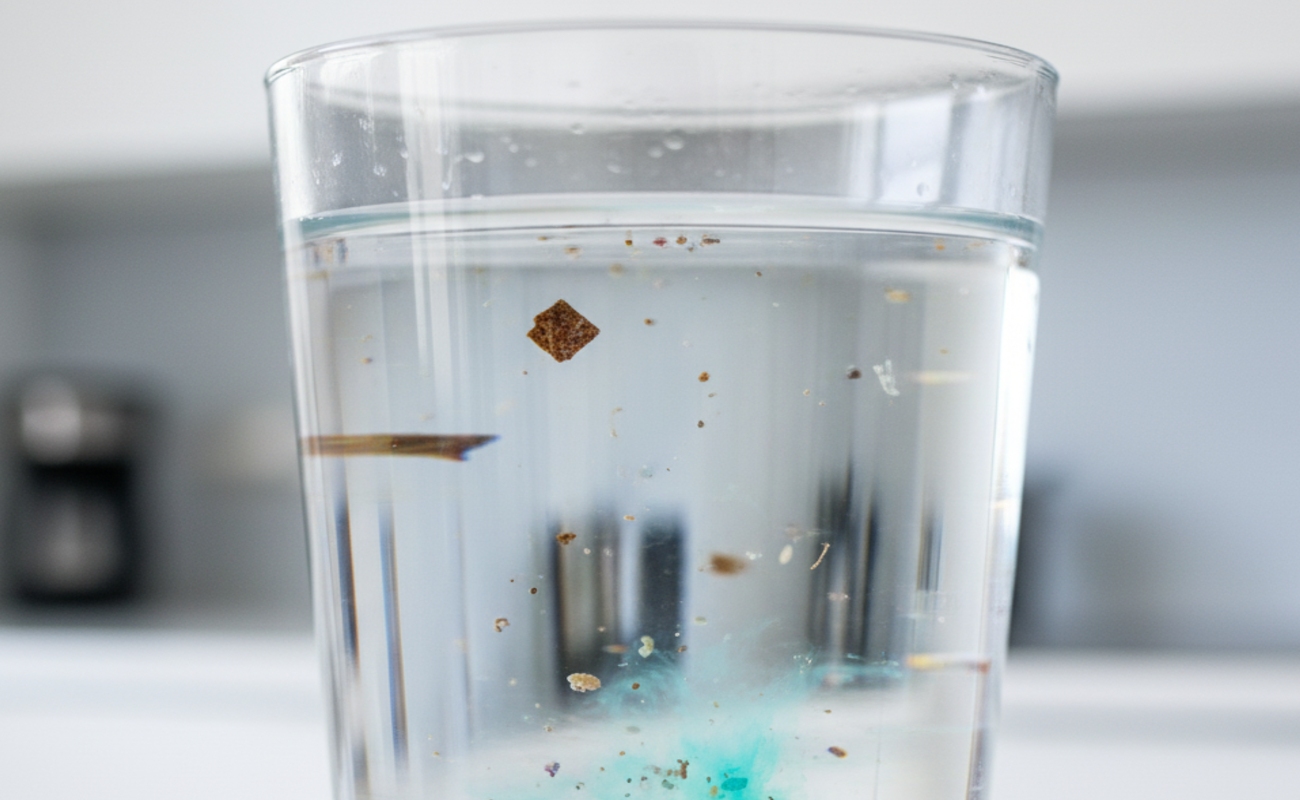
Most of us don’t think twice before filling a glass straight from the tap. After all, public water systems are regulated and regularly tested, right? While that’s true, “safe” doesn’t always mean free of contaminants. Even treated municipal water can contain trace substances that might surprise you.
In this post, we’ll take a closer look at what could be hiding in your tap water — and what you can do to make sure what you’re drinking is as clean as possible.
1. Chlorine and Chloramine: The Necessary Evils
Water utilities use chlorine or chloramine to disinfect tap water and kill harmful bacteria. These chemicals are essential for public safety, but they can leave behind an unpleasant taste and odor. In some cases, chlorine byproducts (like trihalomethanes) can form when chlorine reacts with organic matter, which long-term studies suggest may carry health risks if consumed in large amounts.
2. Lead: The Legacy Contaminant
Lead doesn’t usually come from the water source itself — it enters the supply through old pipes, solder, and fixtures. Homes built before the 1980s are especially at risk. Even low levels of lead exposure can be harmful, particularly for children and pregnant women, affecting brain development and other body systems.
If your home has older plumbing, it’s worth testing your water. Simple lead test kits are available online and at most hardware stores.
3. Microplastics: A Modern Mystery
Microplastics are tiny particles that have made their way into virtually every part of the environment — including our drinking water. They come from degraded plastic bottles, synthetic clothing fibers, and even the air. While research is still ongoing, scientists are concerned about their potential effects on human health and the ecosystem.
Currently, most standard water treatment systems don’t remove microplastics completely, but reverse osmosis systems and some advanced filters can help.
4. PFAS (“Forever Chemicals”)
Per- and polyfluoroalkyl substances, or PFAS, are synthetic chemicals used in everything from non-stick cookware to firefighting foam. They’re called “forever chemicals” because they don’t easily break down and can accumulate in the body over time. Studies have linked PFAS exposure to hormone disruption, immune system effects, and certain cancers.
In recent years, some municipalities have started testing for PFAS, but not all areas have regulations in place yet. If you want to be cautious, look for filters certified to remove PFAS compounds.
5. Agricultural Runoff and Nitrates
In rural areas, fertilizers, pesticides, and animal waste can leach into groundwater supplies. Nitrates, in particular, are a concern for infants, as they can interfere with oxygen transport in the blood (a condition known as “blue baby syndrome”).
If your home uses well water, it’s crucial to test regularly — at least once a year — since private wells aren’t regulated like municipal systems.
How to Protect Yourself
You don’t need to panic or switch entirely to bottled water. Instead, take a few simple steps:
- Get a water test: Start by learning what’s in your local supply. Many city water departments publish annual water quality reports.
- Choose the right filter: Not all filters are the same. Look for certifications from NSF or the Water Quality Association.
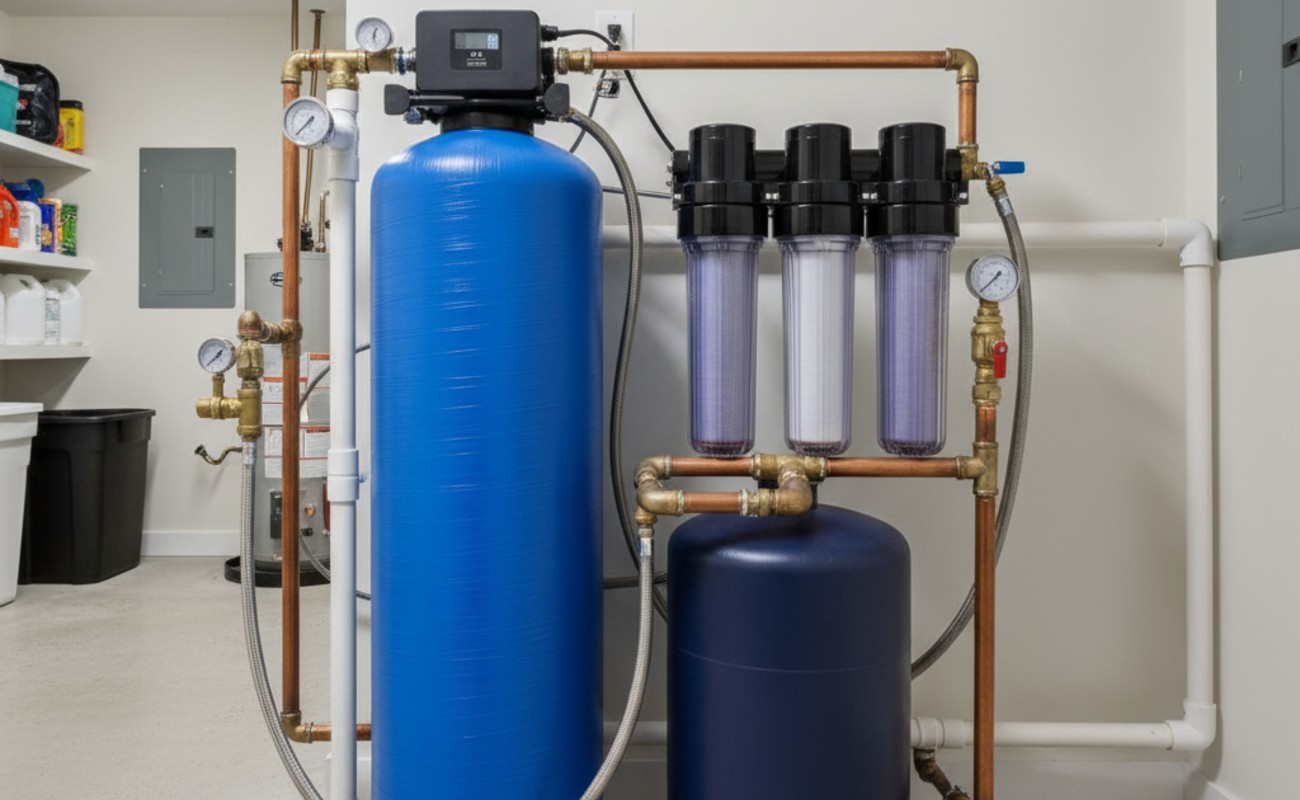
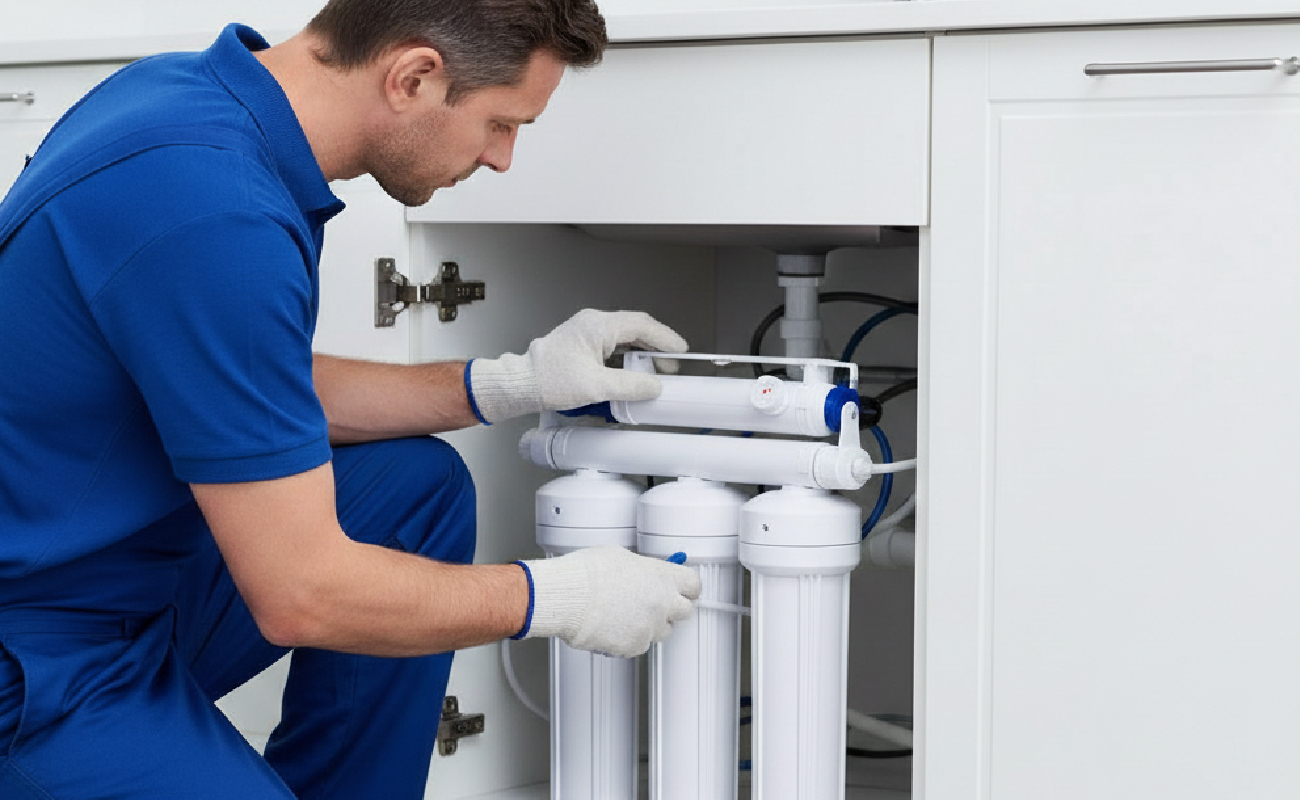
- Maintain your system: Whether it’s a filter pitcher or a whole-house unit, regular maintenance ensures it continues working effectively.
Final Thoughts
Tap water in most parts of the world is a remarkable achievement — clean, convenient, and safe for everyday use. But “safe enough” isn’t always “ideal.” By understanding what could be in your water and taking small, practical steps, you can protect your health and enjoy better-tasting water every day.